How to Book & Manage Clients as a Brand Designer (with Minimal Stress)

You already know your way around design, you can create logos, brand identities, maybe even websites that look like they belong in a portfolio magazine. But here’s the part that doesn’t get talked about enough: actually booking those clients 👀
The pitching, the consultation calls, sending contracts, chasing payments, keeping projects on track... It can feel like a whole other job on top of designing. And if you’ve ever been ghosted after what you thought was a great call (ugh) or stuck in a never-ending back-and-forth email thread, you’re definitely not alone.
The good news is that with a few tweaks and systems, the whole “booking + managing clients” process can actually feel easy (and dare I say… kinda fun?)
Step 1: Pitch Without Feeling Like You’re Selling Used Cars
Clients aren’t just hiring you for pretty graphics, they want to know you get them and are aligned with what they're looking for. Your pitch is where you show that off! Keep it casual—less like an actual pitch and more like a "here's what you need to know about me + working with me" introduction. The more it can feel like a conversation, the better.
Here's what I would cover in that convo:
- Share what you do, who it’s for, and how it helps. That’s it. If you can have this information readily accessible on your website, that's ideal. That way, when you hop on a call, you can get into more detailed stuff like your approach, the process, what makes you special, etc.
- A detailed services guide goes a long way, and it's even better if that information is made available to them BEFORE your discovery call! I recommend having it available on your website for access, or sending it via email prior to the meeting. So your call can be less explaining packages, and more vibing.
- Frame it like, “Here’s how I can support you and here’s what happens next” not, “Please hire me??” It's a collaboration after all! It should feel like you're picking each other, rather than you asking to be chosen. This will put the power dynamic into an equal balance, which equals a better project overall.
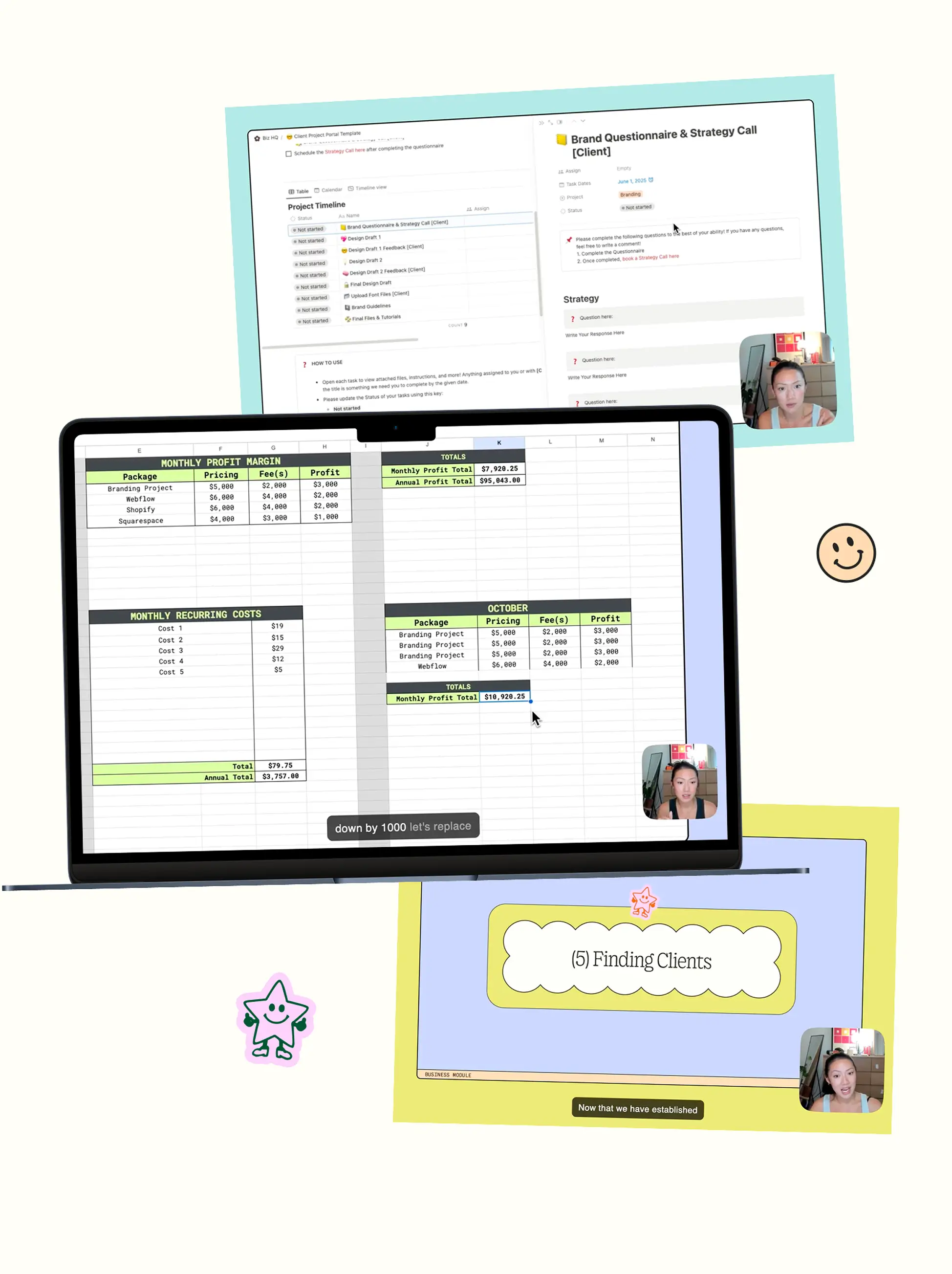
I break down my exact approach inside the Booking, Pitching & Managing Clients Workshop (yep, that’s where I spill all the tea on how to pitch without feeling weird).
Step 2: The Consultation Call (aka How Not to Get Ghosted)
The call is where the vibe check is really happening, and is like a first date! This is the time to get acquainted and see if you make a good match. That's why you don't want to spend the whole call discussing rates, deliverables and timelines (that's stuff they can read in a guide). The best use of this time together is to see if what they're looking for in a service provider matches what you do, and making that clear to them.
Here’s my go-to flow:
- Make sure they have relevant details available to them before the call! Like services, guides, etc.
- Ask real questions. Make it about them, think about their goals, their struggles,, why they need you.
- Talk money + timelines early. No tiptoeing...making it all clear beats awkward later I swear!
- Always end with next steps. Proposal, contract, deposit - make it easy for them to say yes.
The key to not getting ghosted (in my opinion) is to make the conversation feel exciting! I like to try and spark a connection (if it's there), and then follow up immediately with a proposal so that spark turns into a nice booking flame 🔥 The conversations that stick with me, are usually only 50% business talk, and 50% yapping.
When clients feel like they'll get along with you, they'll trust you, and trust meeeee that's the best seller when it comes to brand designers!
Step 3: Make Booking Friction-Free
You know when you're trying to buy something online and you go to checkout and they make you sign in or create an account, and then you have to enroll in something else, and then you're just over it and abandon ship? Booking a designer shouldn't feel like that. So, it's your job to make the booking process as EASY and SIMPLE and CLEAR and FAST as possible!
Here's my booking process:
- Immediately follow up the call with a proposal, with contract + invoices they can sign/pay in one click. I use Dubsado for my CRM (get 20% off) and Search & Grow's dubsado templates to customize them!
- In the email, include the start dates you have available and try to answer FAQs before they even ask! This limits back and forths, and thus, delays in booking.
- Follow-up reminder emails! (Dubsado has this automation, but you can always do this manually) I send automatic emails to follow up about the proposal if the client hasn't booked, making sure they don't have any questions or didn't forget!
When you keep it easy for them, they’re way more likely to stick around for the fun part, the design!
Step 4: Handling Tricky Client Moments (Without Panic)
Even the best processes can’t stop curveballs. You’ll get scope creep, confusing feedback, or last-minute “can we just add one more thing?” moments. And it would take a long time for me to outline how to respond to every possible hiccup, so instead, here's my blanket approach for handling whatever comes my way as calmly as possible.
Here’s what I do:
- Stay calm + solutions first! Sometimes emotions get the best of everyone. The client is probably freaking out because it's an investment and they're confused or lost. You're upset or anxious because you want to do a good job. The best thing to do is wipe that away and focus on "what can we do to remedy this?"
- Remember it's not you vs. the client. You're a team! If there's a situation, whether it be design-related or communication, see if it's something you can work on together. Express what's happening on your end, and ask for them to do the same! Air it all out so the next move is transparent and mutually agreed upon.
- Lean on your contract. It’s not just paperwork, it’s your literal shield! If there's a boundary you find clients crossing often, you can put that in your contract! If there's a nightmare client that gave you trauma, protect yourself in your contract to avoid relapses!
- Communicate the way you naturally talk. Don't switch into cold robot mode when you're trying to lay down the law. You can be firm, but still yourself!
This is also something we dig into during the workshop because learning how to navigate these moments is honestly what makes clients come back and refer you (but it's not the most intuitive thing I know).
Step 5: Focus on the Experience (Not Just the Deliverables)
Most clients don’t remember every single detail, but they remember how you made them feel during the project.
Did they feel guided? Heard? Confident in your process? That’s the key. When you get that right, you don’t just book clients, you build a reputation (and a true connection) that will land you referrals, repeat clients, and the confidence to keep growing as a service provider.
Booking, pitching, and managing clients doesn’t have to feel like chaos. Once you’ve got your flow on how you pitch, how you run calls, how you set up the booking process, and how you deal with the tricky moments..it starts to feel way more doable.
And hey, if you want to swipe my exact approach, check out the Booking, Pitching & Managing Clients Workshop. In just 1.5 hours, I walk you through:
- Running calls that actually get booked
- Streamlining the booking process so it feels smooth for you and them.
- Handling sticky client moments
Because you deserve to spend more time designing and less time stressing about whether that “dream client” is going to actually sign the contract.
Best of luck, and I hope you book all your dream clients this year!
Best,
Alyssa xx