How to Manage Clients as a Brand Designer: Setting Boundaries, Avoiding Burnout & Staying Professional

You can love what you do, be good at what you do, and still feel completely drained by client work not because of the work itself but because somewhere along the way, your boundaries got a little… flexible. And it’s not your fault–––
Maybe you added “just one more” revision, maybe you replied to something late at night when you didn’t need to OR maybe something felt slightly off, but you brushed it aside to “keep things smooth” and then suddenly, you’re halfway through a project thinking, why did I agree to this? Or “why does this keep happening??”
After 6 years of running a design studio, I’ve realized this: the quality of your client experience is directly tied to the strength of your boundaries. And btw, having firm boundaries doesn't make you cold, rigid, or difficult to work with!!! If anything, they’re what allow you to stay warm, grounded, and actually enjoy the process, because you’re giving clients direction on how to make a collaboration as successful as possible.
So if you’re trying to stand on business 😤and still be a kind, easy person to work with, here’s what’s actually helped me!
1. Start With Quantitative Boundaries, The Ones You Don’t Have to Over-Explain
The easiest place to start is with boundaries that are clear, measurable, and easy to point to. Things like your scope of work, number of revisions, timelines, communication hours, late fees, delay fees all the “technical” parts of your service. Early on, I used to treat these as guidelines instead of actual boundaries. Like, they were there… but also negotiable depending on the situation.
Which sounds nice in theory, but in practice? It just made everything inconsistent. Now, I treat these as non-negotiables not in a harsh way, just in a this is how the process works kind of way and the biggest shift wasn’t just defining them, it was making them visible.
I include them in:
- my contract
- my welcome/client guide
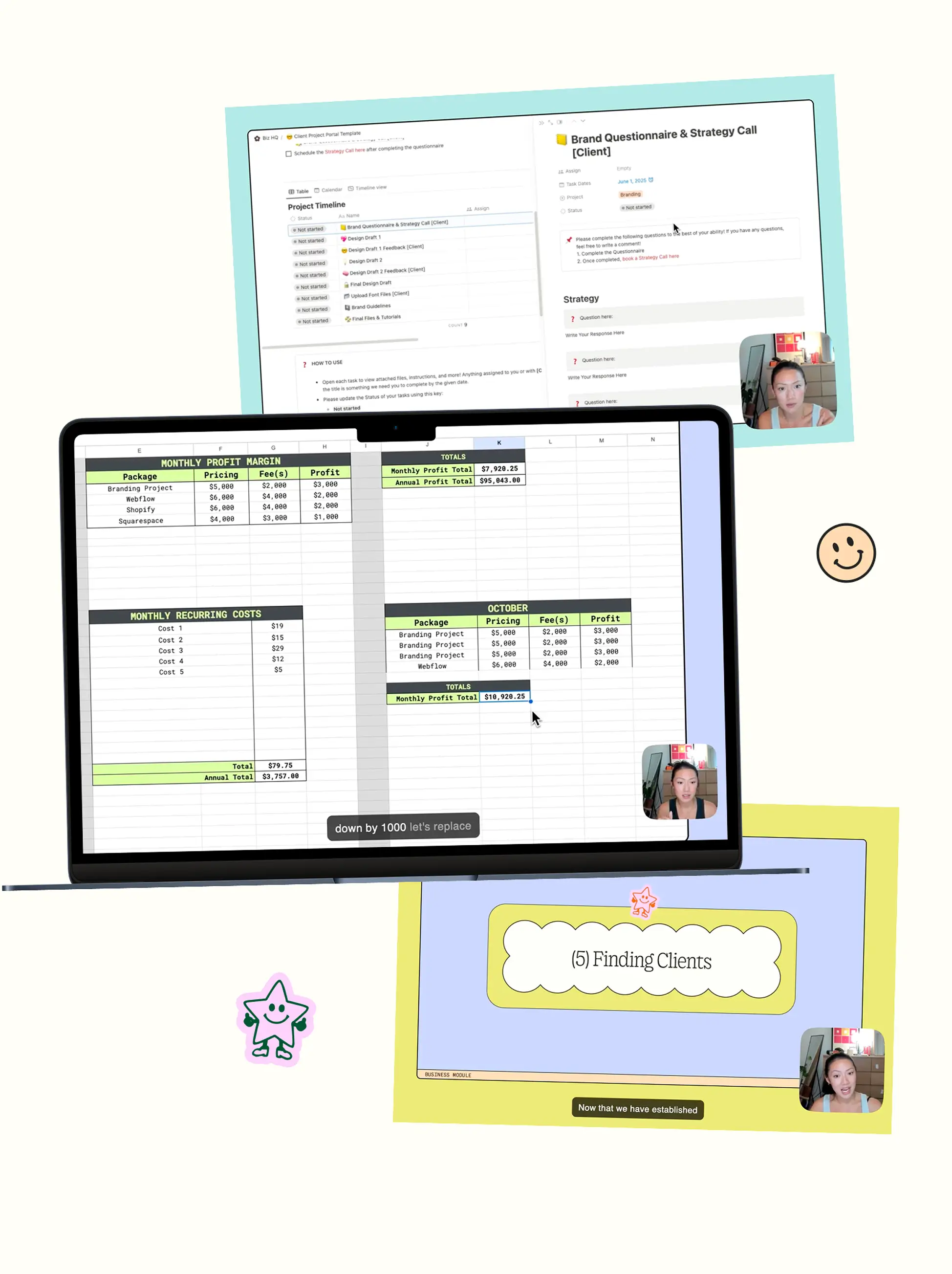
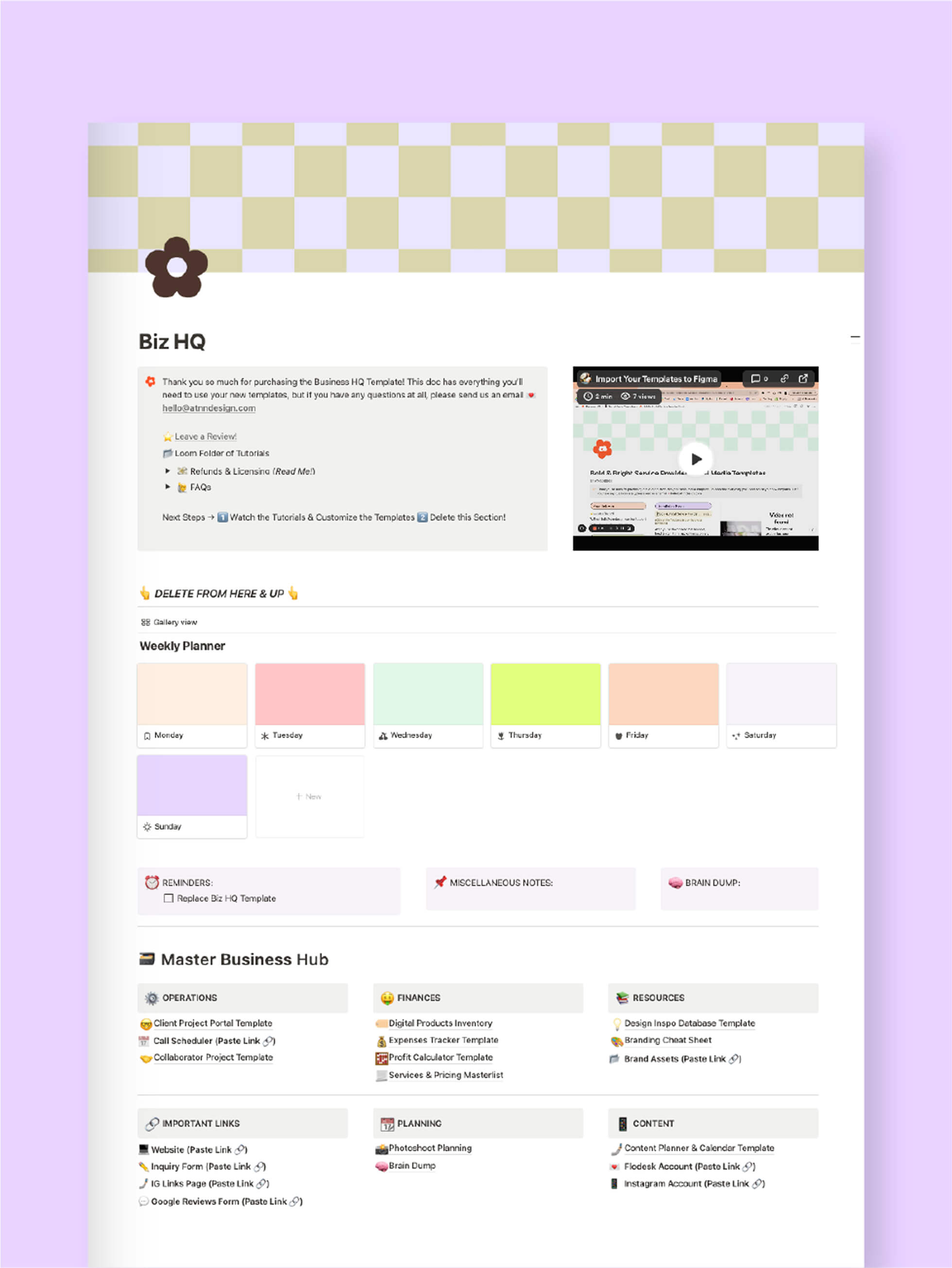
- and my client portal
So if something comes up mid-project, I’m not “bringing up a rule out of nowhere.” I’m just referring back to something we’ve already agreed on.
It keeps things neutral, removes emotion from the situation, and honestly makes you feel a lot more confident when holding your ground.
2. Pay Attention to Your Working Preferences They Matter More Than You Think
This is where things get a bit more personal but just as important .Over time, you’ll start to notice how you actually like to work. Not what looks professional on paper, but what genuinely helps you do your best work without feeling overwhelmed.
For me, I’ve learned a few things pretty clearly: I prefer written or Loom feedback over live calls. It gives me space to process everything properly and respond thoughtfully instead of reacting on the spot.
I also really prefer having one point of contact on a project. Even if there’s a whole team involved, I like communication to be streamlined. Otherwise it starts to feel like I’m being slightly… outnumbered 😭 and once I stopped trying to accommodate every possible working style and just communicated my own, projects became so much smoother.
I usually include these preferences in my welcome guide or task instructions, but I also just say them out loud when needed. When your process works for you, the output is better for your client too. It’s genuinely a win-win.
3. Start Listening to Your Gut Before It Turns Into Resentment
This one is subtle, but so important, sometimes it’s not a big issue. It’s just something small the tone of a message, a comment in a call, the way feedback is phrased but your body usually picks up on it before your brain fully processes it.
For me, I always know something didn’t sit right if:
- I get a tight feeling in my chest
- or I immediately feel the urge to call Frank (my boyfriend, lol) or my best friend and rant
That’s my tell and earlier in my career, I used to ignore it. I’d tell myself I was overthinking or that it wasn’t a big deal. It was always a big deal… just delayed because when you ignore those small moments, they don’t disappear, they build and suddenly you’re halfway through a project feeling tense, drained, or slightly on edge for no clear reason.
Now, I don’t always react immediately but I always clock it. That one habit alone has saved me from so many situations spiraling.
4. Figure Out How You Handle Conflict In a Way That Feels Like You
I’m naturally quite avoidant like, my first instinct is to overthink, open my notes app, draft a response, delete it, rewrite it..you get the idea 😭
So instead of trying to become someone who thrives on confrontation (that’s just not me), I’ve figured out a way of handling things that actually works for me.
Usually, I’ll:
- give myself a few hours or a full day to process
- maybe rant it out to Frank or my best friend first (very necessary step)
- and then come back and respond calmly, usually over email
I’ve also learned something about myself that took a while to accept: If the energy of a project shifts too much, I’d rather end it early than keep working with that cloud hanging over me unless it was just a genuine misunderstanding.
Even with an apology, sometimes the vibe shift is just too much and I’ve made peace with that. It doesn’t make you difficult. It just means you know what you need to feel comfortable doing your best work.
5. Maintain Your Voice Firm Doesn’t Have to Mean Cold
When things get tense, it’s really easy to either shrink yourself or swing too far the other way and go into cold, corporate mode and neither of those feel like you. What I try to do instead is stay in my voice.
Most of the time, I’ll actually talk things out first like properly say everything I want to say out loud (usually to myself, sometimes to Frank if he’s around 😭), and then write it down once I feel more grounded.
It helps me avoid sending something reactive or overly emotional, but also stops me from sounding robotic. I always try to communicate in a way that I’d be comfortable saying face-to-face and no matter what’s coming my way, I try not to drop my standard of compassion. Every single time I’ve chosen to respond with kindness even when it wasn’t matched, I’ve never regretted it.
Boundaries aren’t about creating distance. They’re about creating stability.
They give you:
- clarity in your process
- confidence in your communication
- and a much better overall client experience
Not just for you, but for the people you’re working with too. It’s something you refine over time. You won’t get it perfect straight away, I definitely didn’t but every project teaches you a little more about what works for you and what doesn’t and that’s how you build a process that actually supports you.
If you’re currently navigating a tricky situation or just trying to tighten up your boundaries, I’m always here to help.
You can reach out for mentorship calls, quick advice over DMs or email (if I’m around), or explore our resources - welcome guide templates, client portals, proposal decks, workshops, all of it.
You don’t have to figure this out alone.
Best,
Alyssa xx